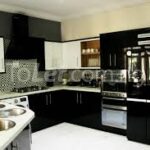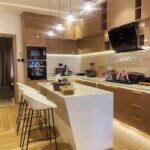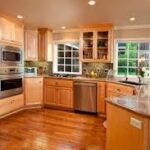
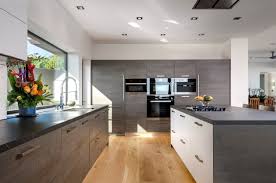
When it comes to building or renovating a modern kitchen in Nigeria, one decision stands above the rest: choosing the right kitchen cabinet material. Your cabinets are not just storage spaces—they define the style, durability, and overall value of your kitchen. With Nigeria’s unique climate, lifestyle demands, and budget considerations, selecting the best material isn’t just about aesthetics—it’s about making a smart, long-term investment.
In this comprehensive guide, we’ll break down the most popular kitchen cabinet materials in Nigeria, their pros and cons, and help you determine which option is best for your home.
Why Cabinet Material Matters in Nigeria
Nigeria’s climate plays a huge role in how well your kitchen cabinets perform over time. High humidity, heat, and occasional water exposure can quickly damage poor-quality materials. That’s why homeowners must consider:
- Moisture resistance
- Durability under heat
- Ease of maintenance
- Affordability
- Aesthetic appeal
Choosing the wrong material can lead to swelling, warping, or even mold growth—costing you more in repairs or replacements.
7 Top Kitchen Cabinet Materials in Nigeria
Let’s explore the most commonly used kitchen cabinet materials and how they perform in Nigerian homes—taking into account climate, cost, durability, and long-term value.
- Plywood Cabinets
Plywood is especially suitable for Nigerian kitchens because it can withstand fluctuating humidity levels better than many engineered wood products. When treated with laminates or waterproof coatings, plywood cabinets become even more resilient against spills and heat. Many professional cabinet makers in Nigeria prefer marine plywood for kitchens because it offers enhanced water resistance.
Pros:
- Highly durable and strong
• Resistant to moisture compared to MDF
• Lightweight yet sturdy
• Long lifespan
• Holds screws and hinges firmly, reducing cabinet sagging over time
• Can be finished with laminates, veneers, or paints for a premium look
Cons:
- Slightly more expensive than MDF
• Edges may require finishing for a polished look
• Quality varies depending on grade (low-grade plywood may delaminate)
Best For:
Homeowners looking for a balance between durability and cost-effectiveness, especially in high-use kitchens.
- MDF (Medium Density Fiberboard)
MDF is made from compressed wood fibers and resin, creating a smooth and uniform surface.
MDF is a favorite for contemporary kitchens because it allows for seamless designs, especially for painted cabinet finishes like matte or high-gloss. It is also ideal for intricate designs such as routed cabinet doors. However, in Nigeria, MDF performs best in dry kitchen areas or when coated with waterproof finishes.
Pros:
- Smooth finish—perfect for painting
• Affordable
• No knots or grain patterns
• Easy to customize
• Ideal for modern, minimalist kitchen styles
• Works well with spray-painted finishes
Cons:
- Not very moisture-resistant
• Can swell if exposed to water
• Less durable than plywood
• Screws may loosen over time if frequently adjusted
Best For:
Budget-conscious homeowners who want a sleek, painted kitchen look with modern aesthetics.
- HDF (High Density Fiberboard)
HDF is similar to MDF but denser and stronger.
HDF offers a middle ground between MDF and plywood. It is often used for cabinet doors rather than full cabinet structures. In Nigeria, HDF is commonly paired with laminate finishes to improve durability and resistance to wear.
Pros:
- More durable than MDF
• Better moisture resistance
• Smooth surface for finishing
• Stronger and more impact-resistant
• Suitable for high-traffic kitchens
Cons:
- More expensive than MDF
• Still vulnerable to prolonged water exposure
• Heavier, making installation slightly more demanding
Best For:
Those who want better durability than MDF without jumping to premium materials.
- Solid Wood Cabinets
Solid wood is the premium choice for kitchen cabinets.
Solid wood cabinets bring unmatched natural beauty and uniqueness, as no two grains are identical. In Nigeria, popular wood types include mahogany, oak, and iroko. However, due to humidity, proper seasoning and finishing are critical to prevent expansion or contraction.
Pros:
- Natural beauty and elegance
• Extremely durable
• Long-lasting investment
• Adds property value
• Can be refinished or repaired easily
• Strong and resistant to wear
Cons:
- Expensive
• Can warp or crack in high humidity if not treated properly
• Requires maintenance
• Susceptible to termite attacks if not treated
Best For:
Luxury homes and homeowners seeking timeless elegance and prestige.
- Particle Board Cabinets
Particle board is one of the cheapest options available.
Particle board is made from wood chips and resin, making it less dense and less durable than MDF or plywood. In Nigeria, it is often used for low-cost housing or temporary installations. While it may look decent initially, it tends to deteriorate quickly in humid environments.
Pros:
- Very affordable
• Lightweight
• Easy to install
• Suitable for short-term use
Cons:
- Poor durability
• Highly susceptible to moisture damage
• Short lifespan
• Weak screw-holding capacity
• Prone to sagging and breaking under weight
Best For:
Temporary solutions or very tight budgets where cost is the primary concern.
- PVC (Polyvinyl Chloride) Cabinets
PVC cabinets are becoming increasingly popular in Nigeria due to their water resistance.
PVC cabinets are ideal for areas exposed to water, such as under sinks or in coastal regions. They are also resistant to termites, making them a practical choice for long-term use in certain environments. PVC cabinets are often pre-fabricated, which speeds up installation.
Pros:
- 100% waterproof
• Termite-proof
• Easy to clean
• Modern appearance
• Resistant to corrosion and chemicals
• Low maintenance
Cons:
- Limited design flexibility
• Can look less premium than wood
• Not as strong as plywood
• May discolor over time with prolonged heat exposure
Best For:
Homes in humid or water-prone environments, or homeowners seeking low-maintenance solutions.
- Aluminum Cabinets
Aluminum cabinets are gaining popularity in Nigeria’s urban homes due to their durability and sleek look. They are especially suitable for outdoor kitchens or areas exposed to extreme conditions. Many designs now combine aluminum frames with glass or acrylic panels for a stylish finish.
Pros:
- Completely waterproof
• Rust-resistant
• Extremely durable
• Minimal maintenance
• Fire-resistant
• Long lifespan even in harsh conditions
Cons:
- Expensive
• Industrial look may not suit all homes
• Limited traditional design options
• Can feel less “warm” compared to wood
Best For:
Homeowners who prioritize durability and low maintenance over traditional aesthetics, especially in modern or high-end kitchens.
|
Key Factors to Consider Before Choosing Kitchen Cabinet Materials in NigeriaBefore you decide on the best kitchen cabinet material in Nigeria, it’s important to look beyond appearance and think strategically. The right choice will not only enhance your kitchen’s beauty but also ensure durability, functionality, and long-term value. Below are the most important factors every homeowner should consider:
1. Budget In Nigeria, kitchen cabinet prices can vary significantly depending on the material, finishing, and craftsmanship. Imported materials or premium finishes will naturally cost more, while locally sourced options can help you save money without compromising too much on quality. It’s important to think of your cabinet purchase as an investment, not just an expense. Cheaper materials like particle board may seem attractive initially, but they often lead to higher maintenance or replacement costs in the long run. Pro Tips:
2. Kitchen Usage Your cooking habits should directly influence your cabinet material choice. In many Nigerian homes where cooking involves heat, oil, and frequent cleaning, cabinets are exposed to more wear and tear. If your kitchen is a high-traffic, everyday cooking space, you need materials that can withstand:
Pro Tips:
3. Moisture Exposure Nigeria’s tropical climate means humidity is a major concern, especially in coastal cities like Lagos, Port Harcourt, and Calabar. Moisture can cause cabinets to swell, warp, or even grow mold if the wrong material is used. Areas particularly vulnerable include:
Pro Tips:
4. Design Preference Your kitchen cabinets play a major role in defining your home’s interior style. Whether you prefer a sleek modern look or a warm traditional feel, your material choice will impact the final outcome.
Pro Tips:
5. Longevity Durability should be a top priority when selecting kitchen cabinet materials in Nigeria. A well-built kitchen should last anywhere from 10 to 20 years—or even longer with proper care. Low-quality materials may:
On the other hand, high-quality materials like plywood, aluminum, or treated solid wood offer excellent long-term performance. Pro Tips:
|
|
|||
Final Thoughts
Choosing the best kitchen cabinet material in Nigeria isn’t just about picking what looks good—it’s about finding what works best for your environment, lifestyle, and budget.
If you want a durable, stylish, and cost-effective solution, plywood cabinets remain the top choice for most homeowners. However, if your kitchen faces heavy moisture or you prefer a modern aesthetic, PVC or aluminum might be better options.
Ready to Upgrade Your Kitchen?
Whether you’re building a new home or remodeling your existing kitchen, investing in the right cabinet material will transform your space and give you lasting value.
Need help choosing or installing the perfect kitchen cabinets in Nigeria?
As the leading kitchen cabinet in Nigeria with 15 years of experience, we are full of professionals who understand local conditions and can deliver quality craftsmanship tailored to your needs.
Your dream kitchen starts with the right cabinets—make the smart choice today.