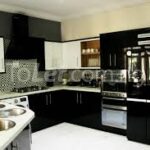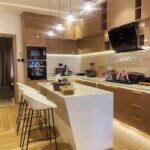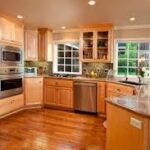
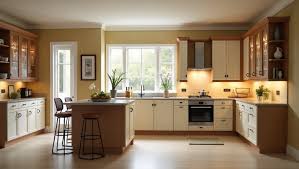
Designing your kitchen cabinets is one of the most important steps in creating a functional, stylish, and long-lasting kitchen. Whether you’re remodeling or building from scratch, understanding the step-by-step guide to designing your kitchen cabinets can help you make informed decisions that balance aesthetics, storage, and efficiency. In this guide, we’ll walk you through everything you need to know about kitchen cabinet design, from planning and layout to materials and finishing touches.
Step-by-Step Guide to Designing Your Kitchen Cabinets
Before choosing colors or styles, you need a clear plan. A well-thought-out layout ensures your cabinets serve both functional and visual purposes.
Start by evaluating your kitchen space:
- Measure dimensions accurately
- Identify existing plumbing and electrical points
- Consider natural lighting sources
Think about how you use your kitchen daily. Do you cook often? Need extra storage? Prefer open shelving? Answering these questions will guide your cabinet design choices.
- Choose the Right Layout
Your cabinet layout determines how efficiently your kitchen functions. Popular layouts include:
- L-Shaped Kitchen
Ideal for maximizing corner space and creating an open feel.
- U-Shaped Kitchen
Perfect for larger kitchens needing maximum storage and counter space.
- Galley Kitchen
Efficient for smaller spaces, with cabinets on two parallel walls.
- Island Kitchen
Adds extra storage and workspace while enhancing aesthetics.
When planning your layout, follow the “kitchen work triangle” rule—placing the sink, stove, and refrigerator within easy reach.
- Select Cabinet
Understanding cabinet types helps you choose what fits your needs best:
Base Cabinets
Installed on the floor, supporting countertops and offering deep storage.
Wall Cabinets
Mounted above countertops for easy access to frequently used items.
Tall Cabinets
Great for pantry storage or built-in appliances.
Specialty Cabinets
Corner units, pull-outs, and lazy Susans maximize difficult spaces.
Choosing a combination of these ensures optimal functionality.
- Pick the Right Materials
Cabinet material affects durability, cost, and appearance.
Solid Wood
- Durable and timeless
- Higher cost but long-lasting
Plywood
- Strong and moisture-resistant
- Ideal for cabinet boxes
MDF (Medium Density Fiberboard)
- Smooth surface for painted finishes
- Budget-friendly
Particleboard
- Affordable but less durable
- Best for low-traffic kitchens
For long-term value, prioritize quality materials that withstand daily wear and tear.
- Choose a Style
Cabinet style defines the overall look of your kitchen.
Shaker Style
Clean lines and versatile design—perfect for modern and traditional kitchens.
Flat-Panel (Slab)
Minimalist and sleek, ideal for contemporary spaces.
Raised Panel
Classic and detailed, suited for traditional kitchens.
Glass-Front Cabinets
Adds visual interest and showcases decorative items.
Choose a style that complements your home’s interior design.
- Select Coors and Finishes
Color plays a huge role in kitchen aesthetics.
Popular Cabinet Colors:
- White for a clean, timeless look
- Gray for modern sophistication
- Navy for bold elegance
- Natural wood tones for warmth
Finish Options:
- Matte for a subtle, modern feel
- Glossy for a sleek, reflective surface
- Distressed for a rustic charm
Consider lighting and kitchen size when choosing colors—lighter shades make small kitchens appear larger.
- Focus on Storage Solutions
Smart storage makes your kitchen more efficient.
Must-Have Features:
- Pull-out shelves for easy access
- Deep drawers for pots and pans
- Vertical dividers for baking trays
- Built-in spice racks
Custom storage solutions help reduce clutter and improve organization.
- Choose Hardware
Cabinet hardware may seem minor, but it significantly impacts the final look.
Knobs vs. Pulls
- Knobs are classic and compact
- Pulls are modern and easier to grip
Finishes:
- Brushed nickel
- Matte black
- Brass or gold
Match hardware with other kitchen fixtures for a cohesive design.
- Consider Lighting
Lighting enhances both functionality and ambiance.
Types of Cabinet Lighting:
- Under-cabinet lighting for task illumination
- Inside cabinet lighting for display
- Above-cabinet lighting for ambiance
LED lighting is energy-efficient and long-lasting, making it a popular choice.
- Set a Budget
Budgeting is essential to avoid overspending.
Cost Factors:
- Materials
- Custom vs. stock cabinets
- Hardware and accessories
- Installation costs
Custom cabinets offer flexibility but are more expensive, while stock cabinets are budget-friendly and quicker to install.
- Work with Professionals
While DIY is possible, working with experts ensures precision and quality.
Benefits of Hiring Professionals:
- Accurate measurements
- Expert design advice
- Proper installation
- Access to premium materials
A professional designer can help you avoid costly mistakes and bring your vision to life.
- Installation Process
Proper installation is key to durability and functionality.
Steps Include:
- Preparing the space
- Installing base cabinets first
- Adding wall cabinets
- Securing hardware and finishing touches
Ensure cabinets are level and securely fastened to prevent future issues.
12.Maintenance Tips
To keep your cabinets looking new:
- Clean regularly with mild soap
- Avoid harsh chemicals
- Check hinges and hardware periodically
- Refinish surfaces when needed
Proper care extends the life of your cabinets and maintains their appearance.
Final Thoughts
Designing your kitchen cabinets doesn’t have to be overwhelming. By following this step-by-step guide to designing your kitchen cabinets, you can create a space that is both functional and visually appealing. From choosing the right layout and materials to selecting finishes and hardware, every decision contributes to the overall success of your kitchen design.
Investing time in planning ensures your cabinets not only look great but also serve your needs for years to come. Whether you prefer a modern, minimalist look or a classic, timeless design, the right cabinets will transform your kitchen into the heart of your home