
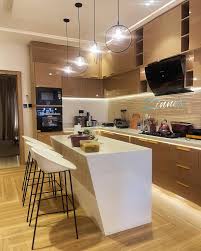
Kitchen cabinets are one of the most important features in every modern kitchen. Beyond storage, cabinets define the beauty, organization, and functionality of the cooking space. Whether you are building a new home, renovating an apartment, or upgrading your kitchen, understanding the right process for installing cabinets can save you time, money, and stress.
This comprehensive kitchen cabinet installation guide in Nigeria explains everything homeowners, interior designers, and property developers need to know before installing kitchen cabinets. From choosing the right materials to measuring your kitchen properly, hiring installers, budgeting, and maintenance tips, this guide covers it all.
If you are planning a kitchen upgrade, understanding modern kitchen cabinet installation trends and exploring the best kitchen cabinet design in Nigeria can help you achieve a stylish and functional space that adds value to your property.
Why Kitchen Cabinets Matter in Nigerian Homes
Kitchen cabinets are no longer considered ordinary storage compartments. In modern Nigerian homes, kitchens are now lifestyle spaces designed for convenience, aesthetics, and comfort.
Well-installed kitchen cabinets offer several benefits:
- Improve kitchen organization
- Maximize available storage space
- Enhance kitchen aesthetics
- Increase property value
- Protect kitchen utensils and appliances
- Improve functionality and workflow
Because of the hot and humid climate in many parts of Nigeria, homeowners must also choose cabinet materials that can withstand moisture, heat, and daily use.
Types of Kitchen Cabinets Commonly Used in Nigeria
Before beginning any kitchen cabinet installation project, it is important to understand the different cabinet types available in the Nigerian market.
- Wall Cabinets
Wall cabinets are mounted above kitchen counters and are mainly used for storing plates, glasses, spices, and lightweight kitchen items.
These cabinets help maximize vertical space, especially in smaller apartments and urban homes.
- Base Cabinets
Base cabinets are installed on the floor beneath countertops. They provide foundational support for kitchen countertops and sinks.
Most Nigerian kitchens rely heavily on base cabinets because they offer substantial storage for pots, pans, and larger cooking equipment.
- Tall Cabinets
Tall cabinets extend from the floor almost to the ceiling. They are excellent for pantry storage and help keep kitchens organized.
- Custom Kitchen Cabinets
Custom cabinets are designed specifically to fit your kitchen dimensions and personal style preferences.
Many homeowners now prefer custom kitchen cabinet design in Nigeria because it allows flexibility in color combinations, storage layout, and finishing.
- Modular Cabinets
Modular cabinets are factory-made units assembled on-site. They are increasingly popular because they are cost-effective and quicker to install.
Popular Kitchen Cabinet Materials in Nigeria
Choosing the right cabinet material is one of the most important decisions during installation.
MDF (Medium Density Fiberboard)
MDF is widely used because it is affordable and offers smooth finishing. It works well for painted cabinets and modern kitchen styles.
However, poor-quality MDF may swell when exposed to excessive moisture.
HDF (High-Density Fiberboard)
HDF is denser and more durable than MDF. It is suitable for homeowners looking for stronger cabinets.
Marine Plywood
Marine plywood is highly resistant to water and humidity. It is considered one of the best materials for kitchen cabinet installation in Nigeria due to its durability.
Particle Board
Particle board is budget-friendly but less durable. It is best suited for low-moisture environments.
Solid Wood
Solid wood cabinets provide a luxurious appearance and a long lifespan. However, they are more expensive and require proper maintenance.
Essential Tools Needed for Kitchen Cabinet Installation
Professional installers typically use specialized tools to ensure accurate and secure installation.
Some of the most important tools include:
- Tape measure
- Screwdriver
- Spirit level
- Drill machine
- Screws and wall plugs
- Hammer
- Clamps
- Measuring square
- Pencil marker
- Cabinet hanging brackets
Using the correct tools ensures cabinet alignment and long-term durability.
Step-by-Step Kitchen Cabinet Installation Guide in Nigeria
Installing kitchen cabinets involves several stages. Proper planning is essential for achieving excellent results.
Step 1: Measure the Kitchen Space
Accurate measurements are the foundation of successful cabinet installation.
Measure:
- Wall dimensions
- Ceiling height
- Window locations
- Door openings
- Plumbing points
- Electrical outlets
Even small measurement mistakes can lead to expensive installation problems.
Most professional installers recommend measuring the kitchen multiple times before fabrication begins.
Step 2: Create a Kitchen Layout Plan
After measurements are completed, the next step is developing a cabinet layout.
A proper kitchen layout ensures:
- Easy movement
- Efficient storage
- Proper appliance placement
- Functional workflow
The kitchen work triangle principle is commonly used in modern kitchen planning. This principle positions the sink, refrigerator, and cooker in an efficient triangular arrangement.
When planning your layout, researching modern kitchen cabinet design in Nigeria can help you choose a style that matches your home aesthetics.
Step 3: Select Cabinet Materials and Finishes
Choosing durable materials is especially important in Nigeria because of humidity and temperature variations.
Popular cabinet finishes include:
- High gloss finish
- Matte finish
- Laminate finish
- Acrylic finish
- Wooden texture finish
Glossy finishes are commonly used in modern urban apartments because they create a sleek appearance.
Step 4: Prepare the Kitchen Walls
Before installation begins, walls should be clean, dry, and level.
Installers often inspect walls for:
- Moisture damage
- Uneven surfaces
- Structural weaknesses
- Plumbing leakage
Any wall problems should be fixed before cabinet installation.
Step 5: Install Wall Cabinets First
Professional installers usually begin with wall cabinets.
Installing upper cabinets first prevents damage to lower cabinets during the process.
The installer marks reference lines using a spirit level to ensure perfect alignment.
Wall cabinets are then securely attached using screws and hanging brackets.
Step 6: Install Base Cabinets
After the upper cabinets are fixed, the base cabinets are installed.
Base cabinets must sit evenly on the floor to properly support countertops.
Installers carefully level each cabinet unit before securing it together.
Step 7: Install Countertops
Once cabinets are properly aligned, countertops are installed.
Popular countertop materials in Nigeria include:
- Granite
- Quartz
- Marble
- Laminate
Granite remains one of the most preferred countertop choices because of its durability and elegant appearance.
Step 8: Install Cabinet Doors and Hardware
The final stage includes:
- Installing cabinet doors
- Fixing handles
- Adjusting hinges
- Installing drawer slides
- Testing cabinet movement
Proper hardware installation significantly improves cabinet functionality.
Common Kitchen Cabinet Styles in Nigeria
Kitchen design preferences continue to evolve across Nigerian homes.
Contemporary Style
Contemporary kitchens focus on simplicity, clean lines, and minimal decoration.
This style often features glossy cabinets and neutral colors.
Traditional Style
Traditional cabinets feature decorative detailing, wood textures, and warm finishes.
They remain popular in luxury homes.
Minimalist Style
Minimalist kitchens emphasize simplicity and clutter-free spaces.
This design trend is becoming increasingly popular in modern apartments.
Modern Luxury Kitchens
Luxury kitchen cabinet design in Nigeria often combines premium materials, sophisticated lighting, and customized storage solutions.
Cost of Kitchen Cabinet Installation in Nigeria
Kitchen cabinet installation costs vary depending on several factors.
Factors Affecting Cost
- Kitchen size
- Material quality
- Cabinet design complexity
- Hardware quality
- Installer expertise
- Countertop choice
- Location within Nigeria
Average Price Range
Basic kitchen cabinet installations may cost between ₦400,000 and ₦1,000,000.
Mid-range kitchens can range from ₦1,200,000 to ₦3,000,000.
Luxury custom kitchens may exceed ₦5,000,000 depending on specifications.
Prices also vary between Lagos, Abuja, Port Harcourt, and other cities.
How to Choose the Best Kitchen Cabinet Installer in Nigeria
Selecting the right installer is essential for achieving professional results.
Check Previous Projects
Always review past installations before hiring a contractor.
Professional installers should have a portfolio of completed projects.
Read Customer Reviews
Online reviews and recommendations help identify reliable installers.
Ask About Materials
Ensure the installer uses quality materials suitable for Nigerian conditions.
Compare Quotes
Request quotations from multiple installers before making a decision.
Avoid choosing solely based on the lowest price.
Confirm Installation Timeline
Ask for a realistic project completion schedule.
Delays can disrupt home renovation plans.
Common Mistakes to Avoid During Kitchen Cabinet Installation
Many homeowners encounter avoidable problems during cabinet installation.
Poor Measurements
Incorrect measurements often result in cabinets not fitting properly.
Ignoring Moisture Protection
Moisture-resistant materials are essential in Nigerian kitchens.
Choosing Cheap Hardware
Low-quality hinges and drawer slides wear out quickly.
Overcrowding the Kitchen
Too many cabinets can reduce movement space.
Ignoring Ventilation
Poor kitchen ventilation may shorten cabinet lifespan.
Best Colors for Kitchen Cabinets in Nigeria
Color selection greatly influences kitchen aesthetics.
Popular cabinet colors include:
- White
- Grey
- Black
- Cream
- Brown wood texture
- Navy blue
- Olive green
White cabinets remain highly popular because they create a clean and spacious appearance.
However, darker shades are increasingly preferred in luxury homes.
Kitchen Cabinet Maintenance Tips
Proper maintenance extends the cabinet’s lifespan.
Clean Cabinets Regularly
Use soft cloths and mild cleaning solutions.
Avoid harsh chemicals that damage cabinet finishes.
Fix Leaks Immediately
Water leakage can destroy cabinet boards over time.
Avoid Excessive Weight
Do not overload shelves beyond their capacity.
Check Hinges and Handles
Tighten loose screws regularly.
Improve Kitchen Ventilation
Proper ventilation reduces moisture buildup.
Benefits of Custom Kitchen Cabinets
Custom cabinets continue gaining popularity among Nigerian homeowners.
Better Space Utilization
Custom cabinets maximize every inch of kitchen space.
Personalized Design
Homeowners can select colors, layouts, and finishes.
Higher Property Value
Well-designed kitchens improve home resale value.
Improved Functionality
Custom storage solutions increase kitchen efficiency.
Many homeowners researching kitchen cabinet design in Nigeria prefer customized solutions because they combine beauty with functionality.
Trends in Kitchen Cabinet Design in Nigeria
Modern kitchen trends continue evolving rapidly.
Smart Storage Solutions
Pull-out drawers, rotating shelves, and hidden compartments are becoming more common.
Handleless Cabinets
Minimalist handle-free cabinets create sleek modern aesthetics.
Two-Tone Cabinet Colors
Combining different cabinet colors adds visual contrast.
LED Cabinet Lighting
Integrated lighting enhances kitchen ambiance and functionality.
Eco-Friendly Materials
Sustainable materials are increasingly preferred by environmentally conscious homeowners.
Should You DIY or Hire Professionals?
Some homeowners consider installing kitchen cabinets themselves.
While DIY installation may reduce labor costs, professional installation offers several advantages.
Benefits of Hiring Professionals
- Accurate measurements
- Faster installation
- Better finishing
- Structural safety
- Warranty protection
- Professional tools and expertise
DIY projects are best suited for individuals with carpentry experience.
Kitchen Cabinet Installation Timeline
The duration of a cabinet installation project depends on kitchen size and complexity.
Typical Timeline
- Measurement and planning: 1–3 days
- Cabinet fabrication: 1–4 weeks
- Installation: 2–7 days
- Final finishing: 1–2 days
Custom kitchens generally take longer than modular installations.
Importance of Quality Hardware
Cabinet hardware directly affects durability and user experience.
High-quality hardware includes:
- Soft-close hinges
- Heavy-duty drawer runners
- Stainless steel handles
- Adjustable shelf supports
Investing in premium hardware reduces long-term maintenance costs.
Kitchen Safety Considerations During Installation
Safety should always remain a priority.
Electrical Safety
Ensure electrical wiring is properly handled.
Plumbing Inspection
Leak detection is important before cabinet installation.
Child-Friendly Designs
Rounded edges and secure fittings improve safety for families.
Fire Safety
Avoid placing cabinets too close to heat sources.
Why Professional Planning Matters
Proper planning minimizes installation errors and improves project efficiency.
Professional kitchen designers can help homeowners:
- Optimize layout
- Select suitable materials
- Manage budgets
- Improve storage functionality
- Achieve modern aesthetics
Planning ahead also prevents unnecessary expenses during renovations.
Final Thoughts on Kitchen Cabinet Installation Guide in Nigeria
A successful kitchen renovation begins with proper planning, quality materials, and professional installation. This kitchen cabinet installation guide in Nigeria provides homeowners with the knowledge needed to make informed decisions before starting a project.
From selecting durable materials to understanding layout principles, cabinet styles, maintenance tips, and budgeting considerations, every stage of the process contributes to the final outcome.
As modern homes continue embracing stylish interiors, investing in quality kitchen cabinet design in Nigeria has become essential for homeowners seeking beauty, organization, and long-term value.