
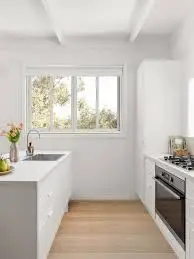
Designing a small kitchen in Nigeria can be a challenging yet rewarding task. One of the most crucial decisions homeowners face is choosing the right kitchen cabinets. Cabinets are not just storage solutions; they define the look, feel, and functionality of your kitchen. As the leading bespoke kitchen cabinet in Nigeria with over 15 years of experience and expertise, we can help you build your dream and luxury kitchen cabinet. In this guide, we’ll explore how to choose kitchen cabinets for small kitchens in Nigeria, considering style, material, space optimization, and affordability.
Why Kitchen Cabinets Matter in Small Kitchens?
Kitchen cabinets serve multiple purposes: storage, organization, and decoration. In small kitchens, the importance of choosing the right cabinets is amplified because:
- Maximizing Space – Every inch counts in a compact kitchen. Cabinets help store appliances, utensils, and groceries efficiently.
- Enhancing Aesthetics – The right cabinet design can make a small kitchen appear larger, brighter, and more organized.
- Improving Functionality – Thoughtful cabinet layouts ensure that frequently used items are accessible, improving kitchen workflow.
By selecting cabinets that complement your kitchen size and layout, you can achieve both functionality and style in your Nigerian home.
Key Considerations for Choosing Kitchen Cabinets in Nigeria
When selecting cabinets for small kitchens in Nigeria, several factors should guide your decision:
- Kitchen Layout
Your kitchen layout largely determines the type of cabinets that will work best:
- L-shaped kitchens: Ideal for corners; consider corner cabinets with pull-out shelves.
- U-shaped kitchens: Offer maximum storage; include overhead cabinets to utilize vertical space.
- Galley kitchens: Narrow kitchens benefit from tall cabinets to free up floor space.
- Cabinet Materials
Choosing durable, cost-effective materials is essential in Nigeria’s climate. Common options include:
- MDF (Medium-Density Fiberboard) – Affordable and smooth, ideal for painted finishes.
- Plywood – Stronger than MDF, resistant to warping, and ideal for humid areas.
- Solid wood – Expensive but long-lasting; works well for premium kitchens.
- PVC cabinets – Water-resistant and easy to maintain, popular in coastal regions.
- Cabinet Finishes
Cabinet finishes impact the kitchen’s look and maintenance:
- Matte finish – Hides fingerprints and scratches; suits modern kitchens.
- Glossy finish – Reflects light, making small kitchens appear larger.
- Laminate finish – Affordable, easy to clean, and available in multiple designs.
- Cabinet Colors
Color selection plays a vital role in small kitchens:
- Light colors: Whites, creams, and pastels make the space feel larger.
- Neutral shades: Gray and beige create a calm, airy atmosphere.
- Accent colors: Use sparingly for cabinet doors or handles to add personality without overwhelming the space.
- Cabinet Doors and Handles
- Sliding doors – Save space in narrow kitchens.
- Glass-front doors – Create a sense of openness.
- Push-to-open handles – Minimalistic and modern.
- Stainless steel handles – Durable and easy to clean.
- Storage Solutions
Small kitchens require smart storage solutions:
- Pull-out drawers – Ideal for pots, pans, and spices.
- Corner carousels – Make use of awkward corners.
- Overhead cabinets – Maximize vertical space without cluttering the floor.
- Tall cabinets – Reach the ceiling for seasonal items and bulk storage.
- Budget Considerations
Kitchen cabinets in Nigeria can vary widely in price depending on material, brand, and customization. Set a realistic budget and explore options that balance affordability and durability. For instance:
- Economical options: MDF or PVC with laminate finish.
- Premium options: Solid wood with custom finishes.
Tips for Optimizing Small Kitchen Cabinets
- Go Vertical
In small kitchens, floor space is limited. Installing tall cabinets that reach the ceiling can maximize storage without crowding the area.
- Use Open Shelving
Open shelves reduce visual clutter and make kitchens appear more spacious. They also provide easy access to everyday items like plates and cups.
- Choose Multi-functional Cabinets
Consider cabinets with built-in organizers, pull-out racks, or sliding trays. These features improve storage efficiency and kitchen workflow.
- Incorporate Lighting
Under-cabinet lighting brightens work surfaces and creates the illusion of more space. LED strips are energy-efficient and long-lasting, perfect for Nigerian homes.
- 5. Minimalistic Design
Small kitchens benefit from a minimalist design approach. Avoid heavy, ornate cabinet doors and focus on sleek, simple lines to create an open, airy kitchen .
Popular Kitchen Cabinet Styles in Nigeria
- Modern Kitchen Cabinets
Modern cabinets emphasize sleek lines, neutral colors, and minimal hardware. Glossy finishes and handleless doors are popular in Nigerian urban homes.
- Shaker Cabinets
Shaker-style cabinets are timeless, featuring recessed-panel doors and subtle detailing. They fit both contemporary and traditional kitchens.
- Contemporary Cabinets
Contemporary cabinets blend modern and classic styles, often using bold colors or mixed materials. They are suitable for homeowners looking for a unique, stylish kitchen.
- Modular Cabinets
Modular cabinets are pre-fabricated units that can be easily assembled and customized. They are budget-friendly and ideal for small Nigerian kitchens.
Local Considerations for Nigerian Homeowners
When choosing kitchen cabinets in Nigeria, consider:
- Climate: High humidity in coastal areas may cause MDF or plywood to warp. Opt for PVC or treated wood.
- Availability of Materials: Local carpenters often work with MDF, plywood, or PVC due to cost and accessibility.
- Kitchen Size: Many Nigerian homes have compact kitchens, so space-saving designs are crucial.
- Style Preferences: Urban Nigerians often prefer modern and glossy cabinets, while traditional homes may favor solid wood with rich textures.
How to Measure Your Kitchen for Cabinets
Accurate measurement is key to ensuring your cabinets fit perfectly:
- Measure the length, width, and height of your kitchen.
- Note the location of windows, doors, and appliances.
- Determine the ceiling height to choose between tall or standard cabinets.
- Sketch a floor plan to visualize cabinet placement and spacing.
Choosing the Right Cabinet Supplier in Nigeria
Selecting a reliable cabinet supplier ensures quality, durability, and after-sales support:
- Check reviews and testimonials: Ask friends or read online reviews.
- Compare prices and materials: Get multiple quotes before deciding.
- Look for customization options: Ensure the supplier can accommodate your design preferences.
- Warranty and maintenance: Choose suppliers offering a warranty for long-term peace of mind.
Maintenance Tips for Kitchen Cabinets
Proper maintenance extends the life of your cabinets:
- Clean regularly: Wipe surfaces with a damp cloth to prevent dust buildup.
- Avoid harsh chemicals: Use mild detergents suitable for wood or laminate.
- Check for humidity damage: Inspect for swelling or peeling in coastal areas.
- Lubricate hinges and slides: Ensure smooth operation of doors and drawers.
Final Wrap-up
Choosing kitchen cabinets for small kitchens in Nigeria involves balancing style, functionality, and budget. By considering layout, materials, finishes, colors, and smart storage solutions, you can create a kitchen that feels spacious, organized, and aesthetically pleasing. Remember to work with trusted local suppliers, measure your space accurately, and prioritize cabinets that maximize storage without overwhelming the room. With thoughtful planning, even the smallest Nigerian kitchen can become a functional and beautiful heart of the home.