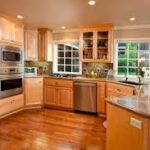

Few things are more frustrating for a homeowner than discovering termite damage in freshly installed kitchen cabinets. Nigeria’s warm, humid climate creates near-perfect conditions for termites, and wooden cabinetry is one of their favorite targets.
The good news is that with the right materials, finishes, and precautions, you can build a kitchen that stands up to termites for years. Here’s what to know before you choose your next set of cabinets.
Why Termites Are Such a Problem in Nigeria
Termites thrive in warm, humid environments — exactly the conditions found across much of Nigeria, from coastal cities like Lagos and Port Harcourt to inland regions with high rainfall. Untreated wood, especially in ground-level kitchens or homes with wooden substructures, is particularly vulnerable. Once termites get into cabinetry, they can cause structural damage that’s expensive and disruptive to repair.
Best Materials for Termite-Resistant Kitchen Cabinets
1. Marine-Grade Plywood
Marine plywood is treated with waterproof, termite-resistant adhesives and is significantly more resistant to pest damage than standard plywood. It’s a popular choice among Nigerian cabinet makers because it also holds up well against humidity, making it a strong all-around option.
2. Treated MDF (Medium-Density Fibreboard)
Standard MDF can be vulnerable to moisture and pests, but MDF that’s been chemically treated for termite and moisture resistance performs much better in Nigerian kitchens. Always confirm with your cabinet maker whether the MDF being used has been treated, as untreated versions are far less durable.
3. Stainless Steel Cabinets
Stainless steel is completely immune to termite damage since it contains no organic material for termites to feed on. While it costs more upfront, steel cabinetry is increasingly popular in Nigerian homes for its durability, easy cleaning, and modern look — particularly in humid coastal areas.
4. High-Pressure Laminate (HPL) Over Solid Substrates
When solid wood or MDF cores are covered with high-pressure laminate, the sealed surface adds an extra layer of protection against both moisture and pest entry points, especially at edges and joints where termites often start.
5. Solid Hardwood (Termite-Resistant Species)
Certain hardwoods, such as iroko and mahogany, have natural resistance to termites due to their density and natural oils. While pricier than engineered alternatives, they remain a durable, long-lasting option when properly treated and sealed.
Materials and Practices to Avoid
- Untreated softwood or low-grade plywood — highly susceptible to termite infestation, especially in humid areas
- Cabinets installed directly against damp walls or floors without a moisture barrier, which attracts termites
- Skipping termite pre-treatment during construction or renovation, especially for ground-floor kitchens
Additional Protection Tips
- Request termite-resistant chemical treatment on wood-based cabinets before installation, not just as an afterthought
- Seal all edges and joints properly — termites often enter through unsealed seams or exposed particleboard edges
- Avoid direct wood-to-floor or wood-to-wall contact where possible, using proper spacing or barriers
- Schedule regular pest inspections, especially in homes with a history of termite activity
- Choose a reputable cabinet maker who understands Nig